Our Projects
Below is a selection of major projects developed by our members, ranging from self-initiated creative and technical builds to grant-funded public art installations delivered for local community events.
If any of these projects align with your interests, we welcome you to get in touch—whether you are a prospective member looking to collaborate on future builds, or an organisation seeking a capable partner to design and deliver a custom project for your event or initiative.
Energy Breakthrough
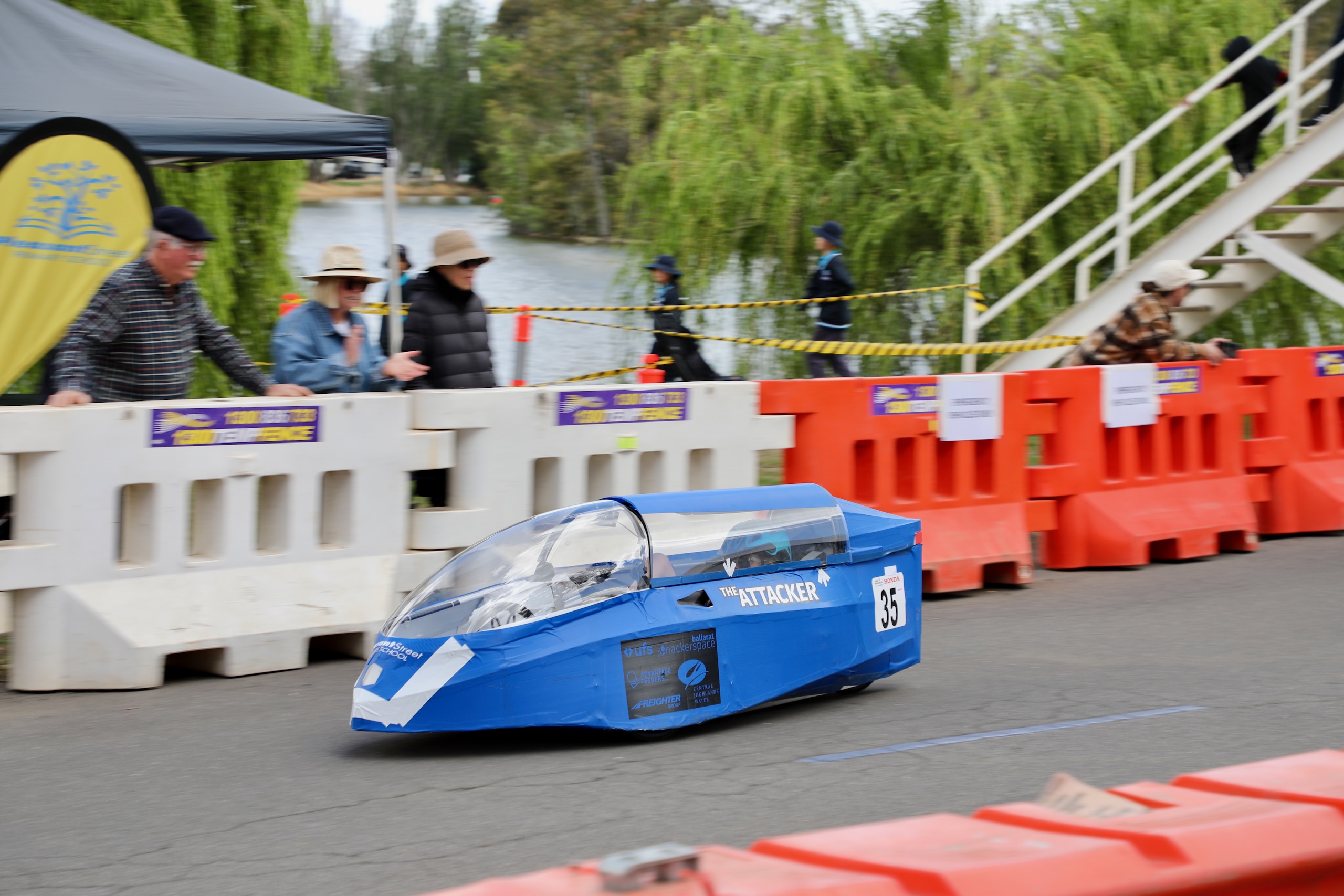
Members of the hackerspace initially volunteered to support a local primary school competing in the Energy Breakthrough human-powered vehicle challenge. The school was experiencing ongoing issues with the standard off-the-shelf kit, including excessive heat buildup inside the enclosed cabin, limited access for repairs due to the sealed body design, and a fragmented lighting and electronics setup based on individual bicycle components that were poorly suited to the operating environment.
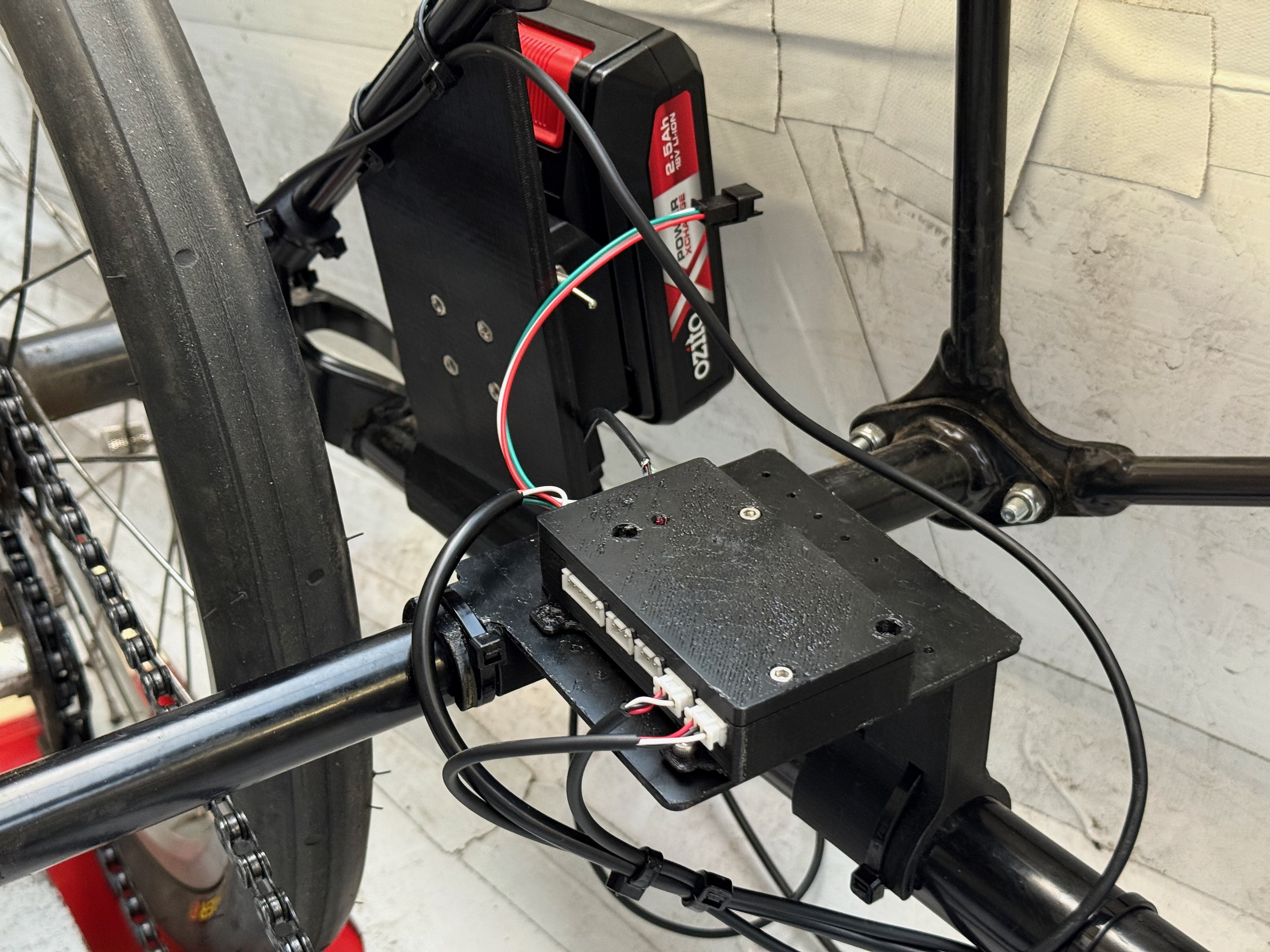
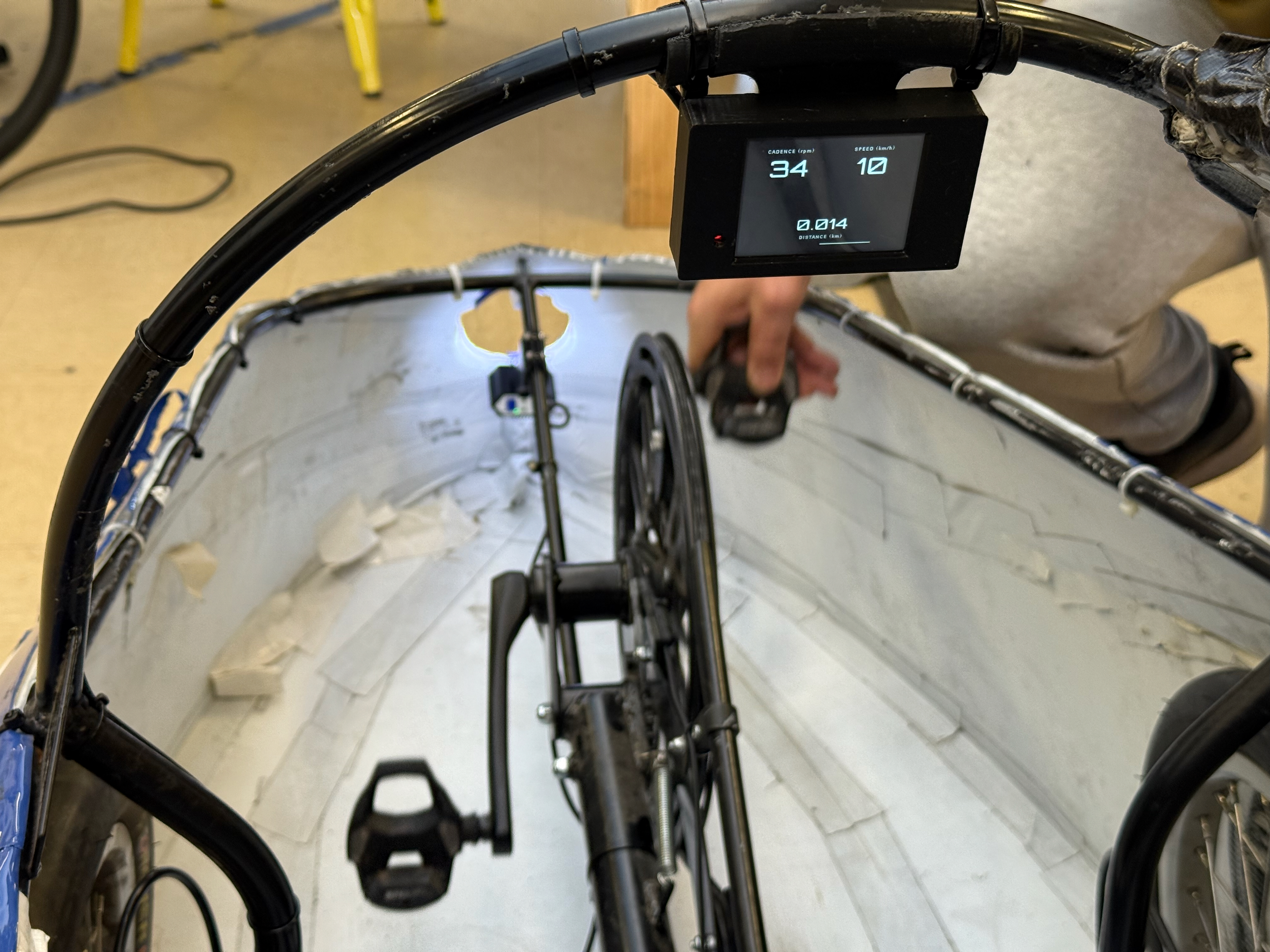
In the first year of collaboration, we designed and prototyped a series of substantial upgrades to improve safety, reliability, and usability. These included a removable rear access hatch to simplify maintenance, 3D-printed NACA ducts to improve rider cooling, and the development of a fully integrated electronics system. The new electronics architecture powers the entire vehicle from a single power-tool battery and consolidates front and rear LED lighting, a sensor suite monitoring vehicle state, and a digital rider dashboard displaying cadence and RPM. This provided riders with practical performance feedback while also introducing a gamified training element, which received very positive feedback from students. The system is built around custom-designed PCBs that act as the central control unit and log all telemetry to MicroSD for post-session analysis.
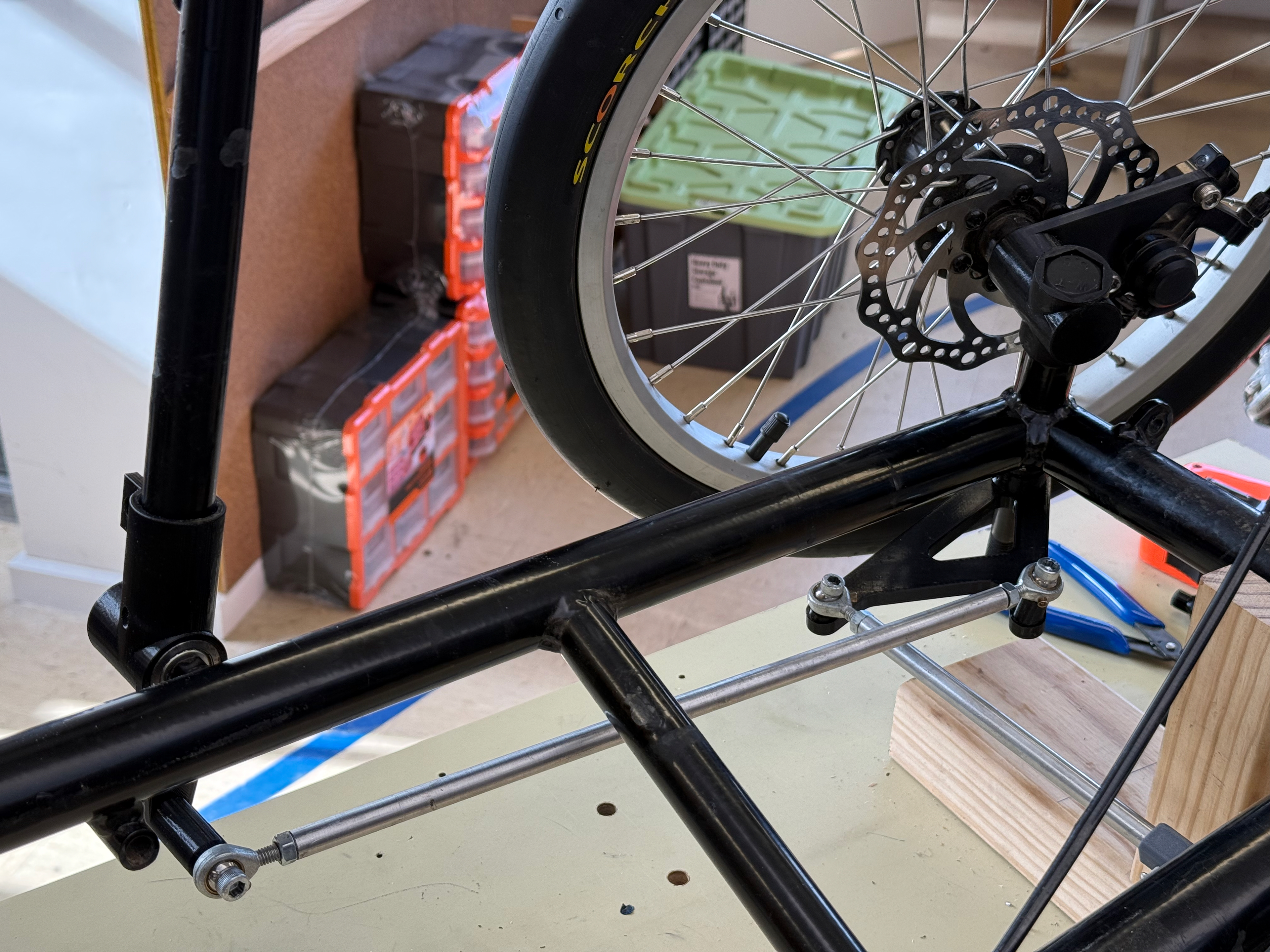
For the current season, work is underway on a fully custom steering system that replaces all factory steering components, relocating mechanisms beneath the chassis and away from riders’ hands and legs to improve safety and ergonomics. In parallel, the vehicle electronics are being expanded with features such as crash detection and remote telemetry, including live graphical dashboards displayed on pit-area monitors. We are also developing a training simulator incorporating a custom 3D video game, allowing students to practice the actual Maryborough track layout while at school.
Ye Olde Telephone
Ye Olde Telephone began as a collaboration with the City of Ballarat, initially developed as a “Santa Phone” installation for the Sturt Street Christmas decorations. The project featured a restored phone box containing a period telephone, retrofitted with a Raspberry Pi that allowed members of the public to dial in and listen to recorded messages from Santa.
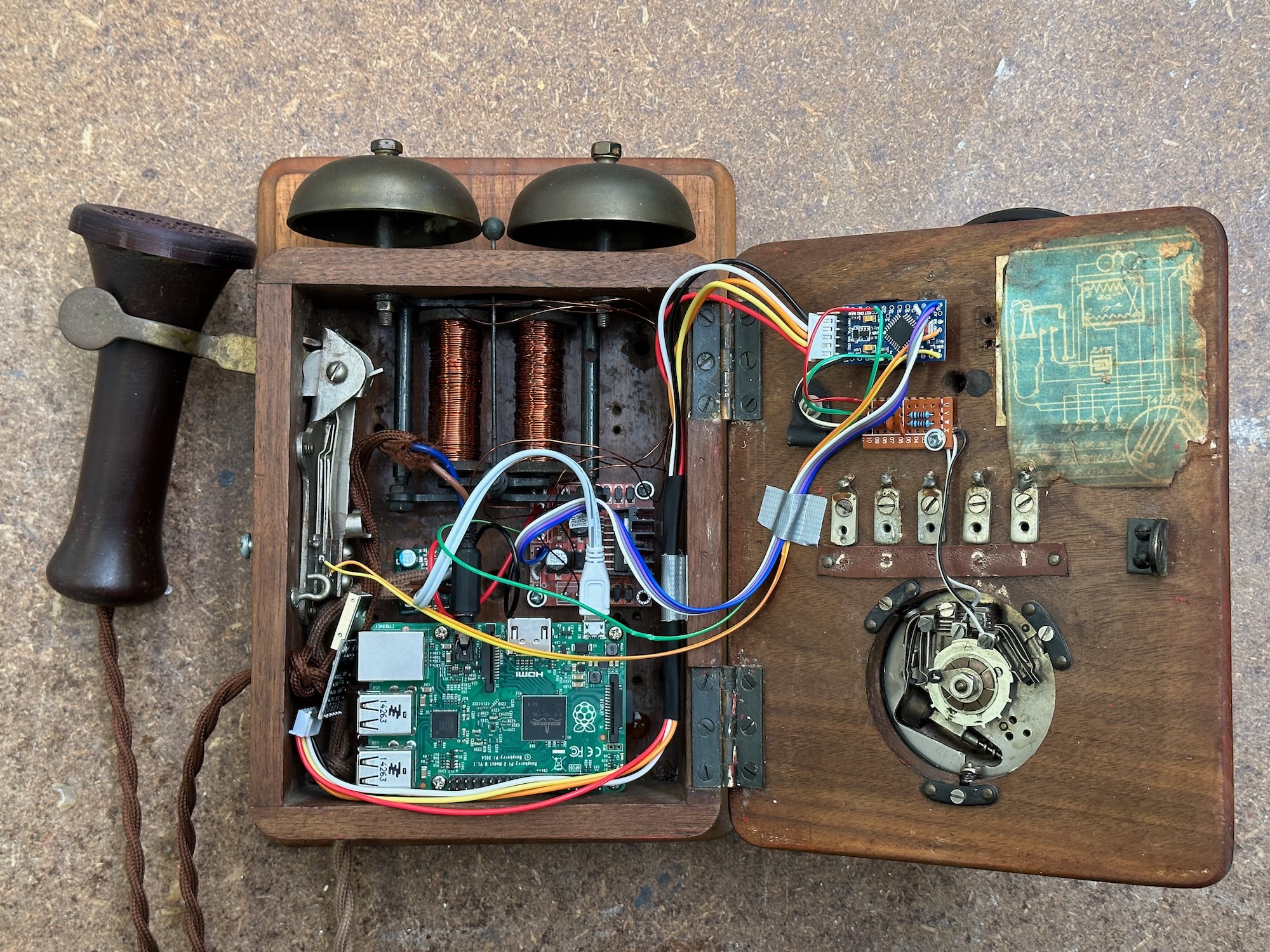
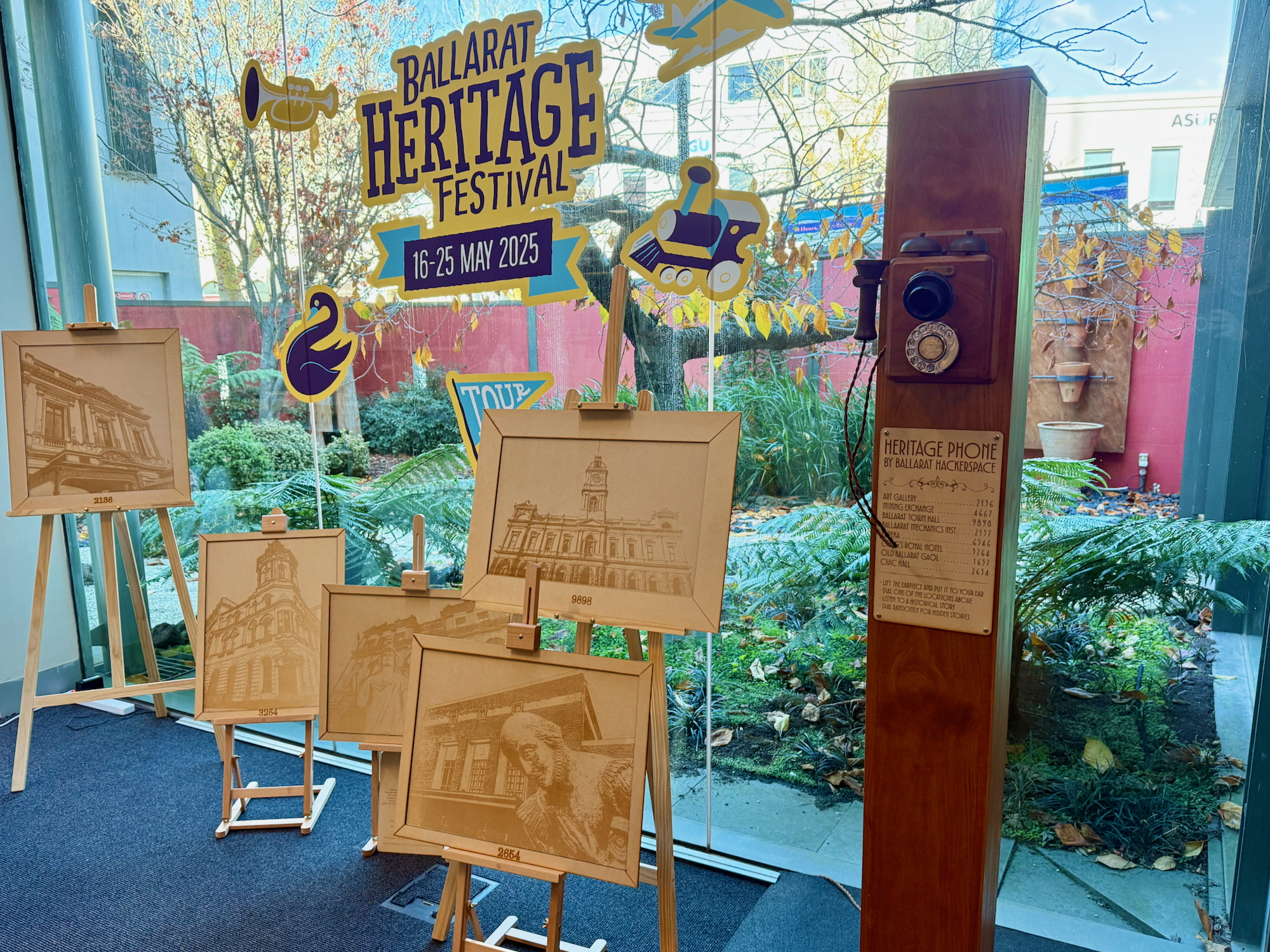
Building on the success of this installation, the project evolved into Ye Olde Telephone: an original 1940s rotary telephone integrated with custom electronics and software. The rotary dial was reverse-engineered to provide digital input to software running on the Raspberry Pi. With further funding from the City of Ballarat, the system was expanded into an interactive art installation for the Ballarat Heritage Festival, developed in partnership with local voice actors to deliver a curated series of historically themed audio stories accessible via the rotary dial.
AvB (Vote With Your Feet)
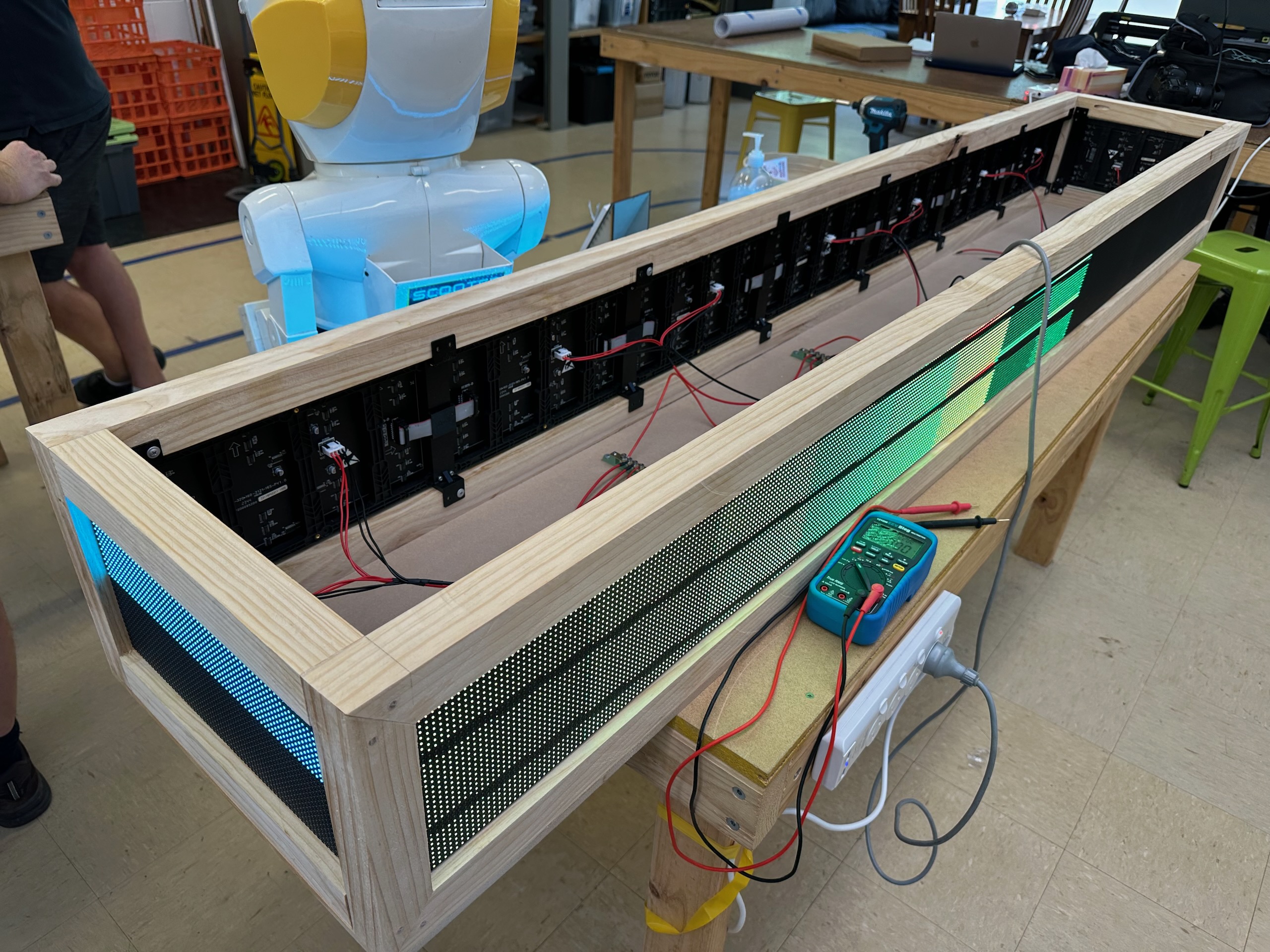
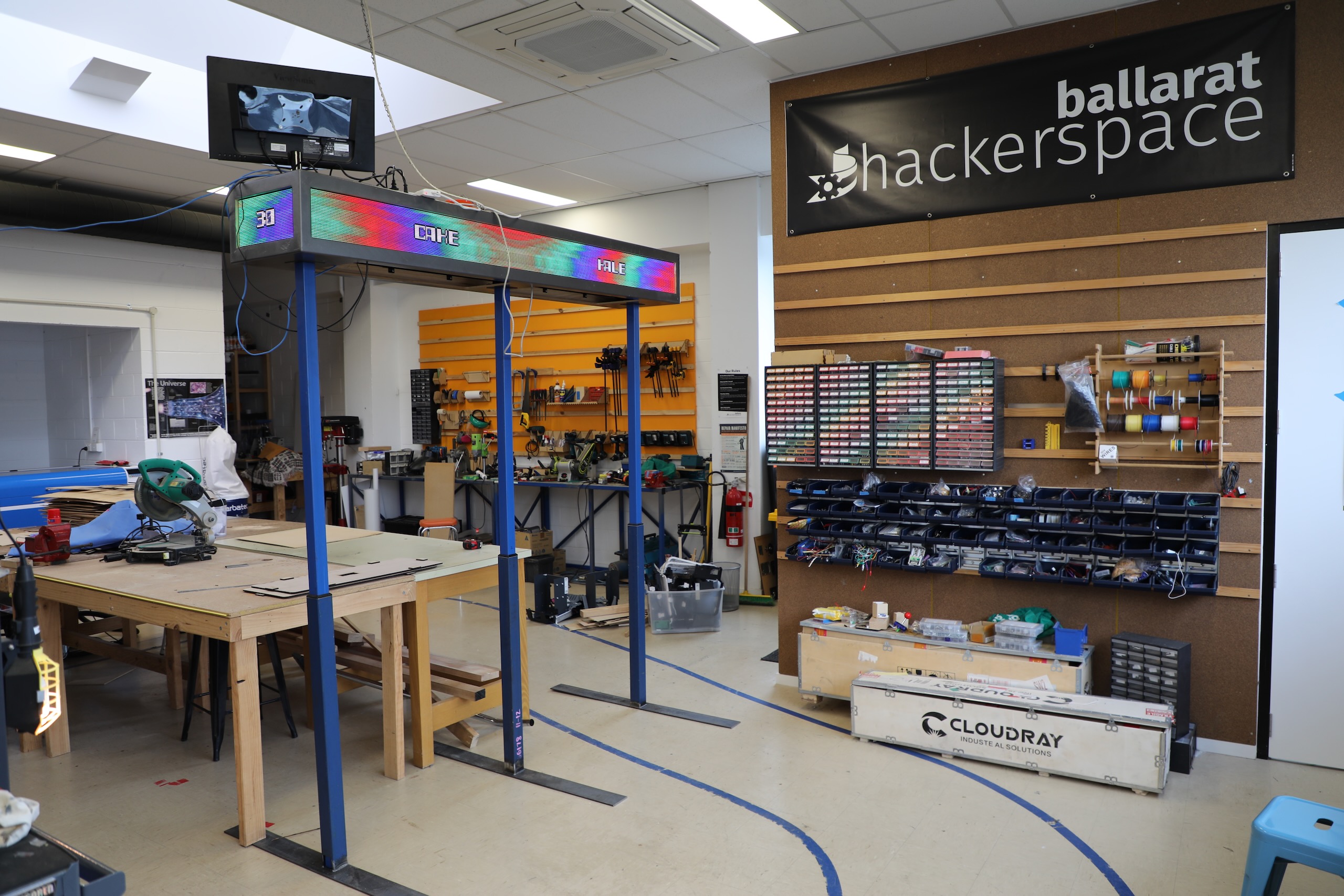
AvB (“Vote With Your Feet”) is a large-scale interactive digital art installation that was fully designed, funded, and constructed by members of the hackerspace. The installation comprises two physical “doorways” and a wraparound RGB LED matrix display, supported by a welded steel substructure with a timber-clad upper enclosure. Integrated sensors within each doorway detect participants as they walk through, allowing the public to cast votes in response to questions displayed on the LED panels.
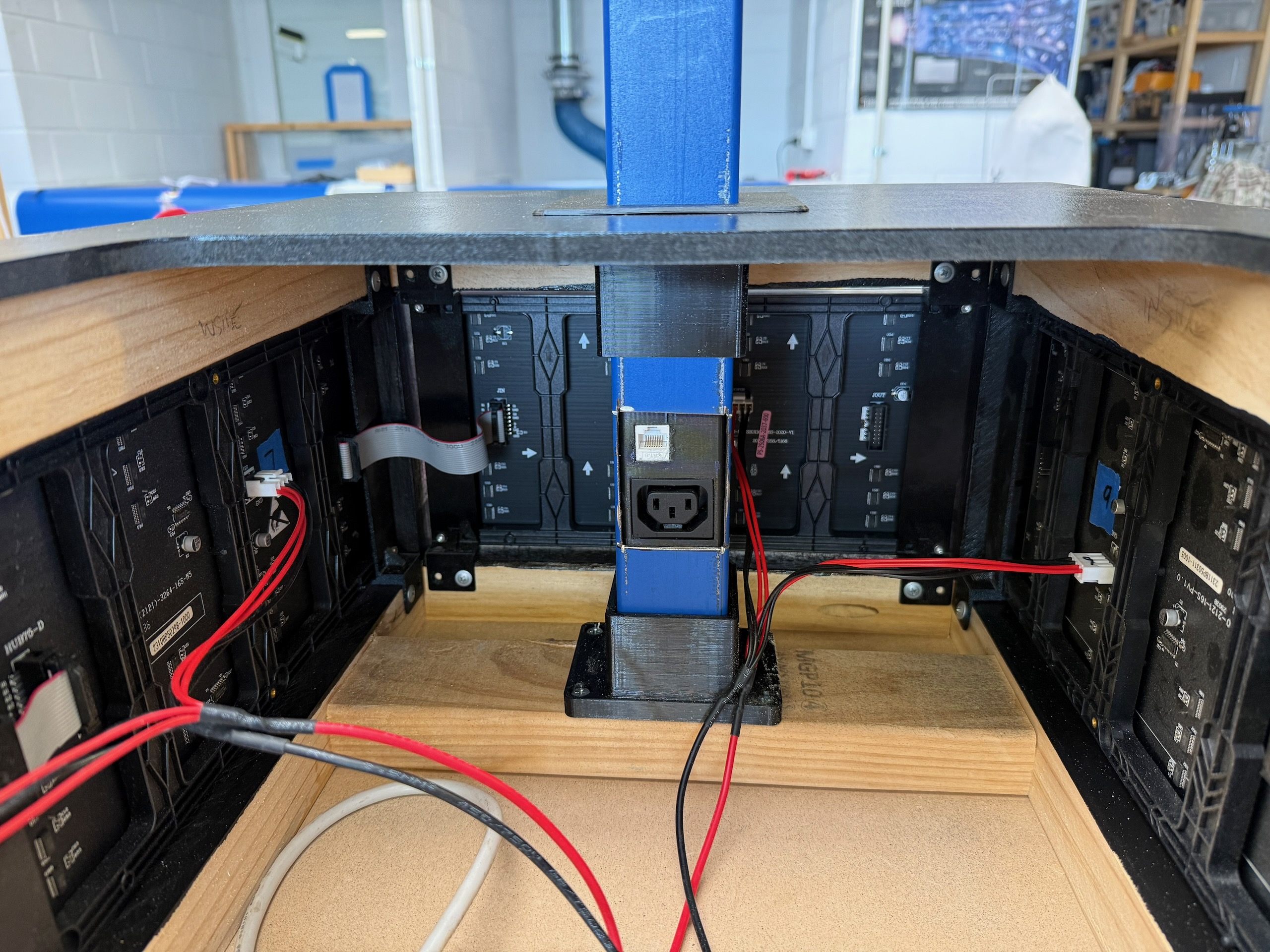
This project represents the largest and most complex build undertaken by the hackerspace to date. Its development required extensive engineering and planning to ensure portability, modularity, and suitability for public outdoor events. Key considerations included concealed power and network looms integrated within the structural uprights, weatherproofed enclosures, and compliance with public OH&S requirements for temporary installations in high-traffic environments.
Sega Outrun Retromod
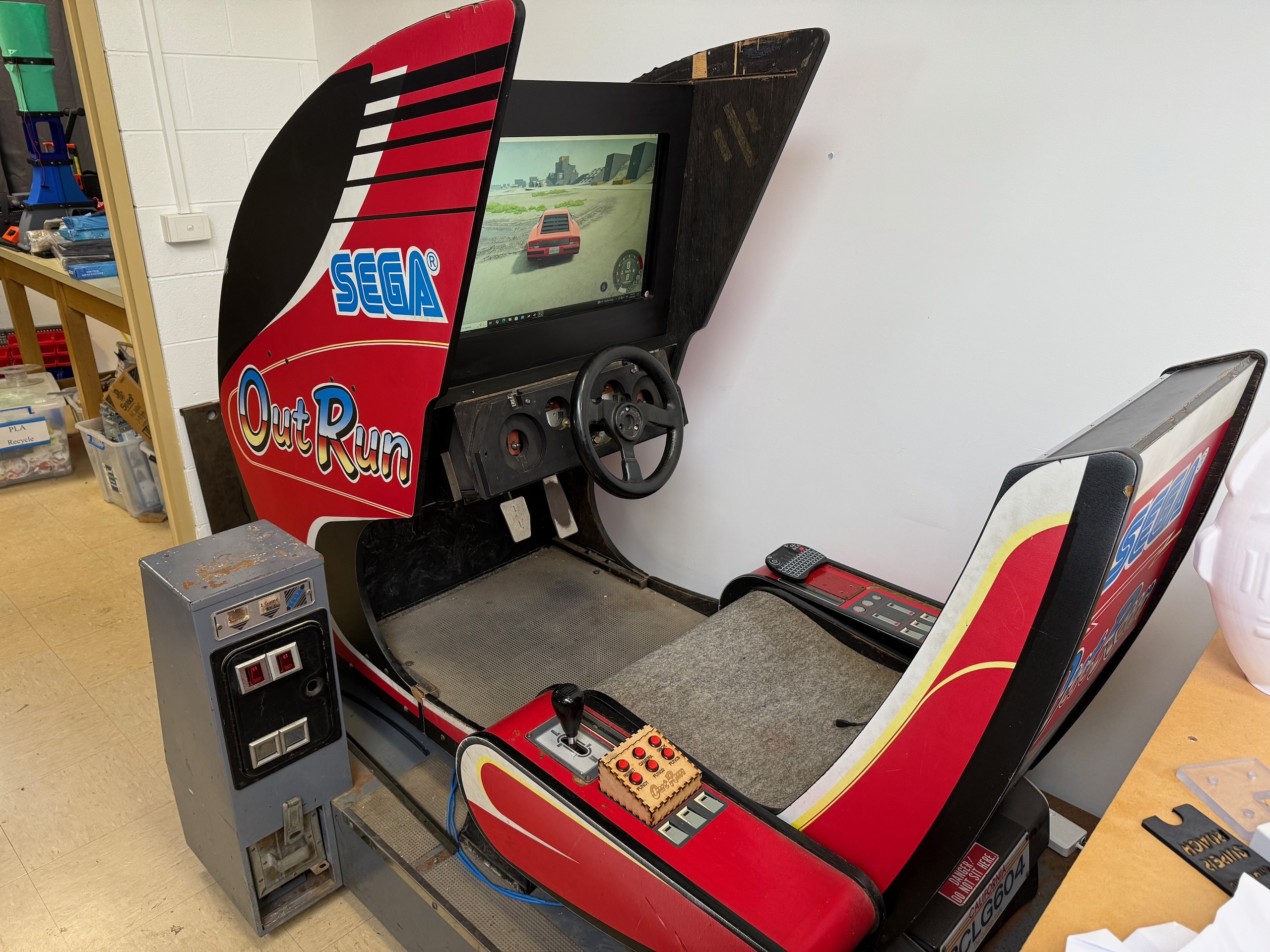
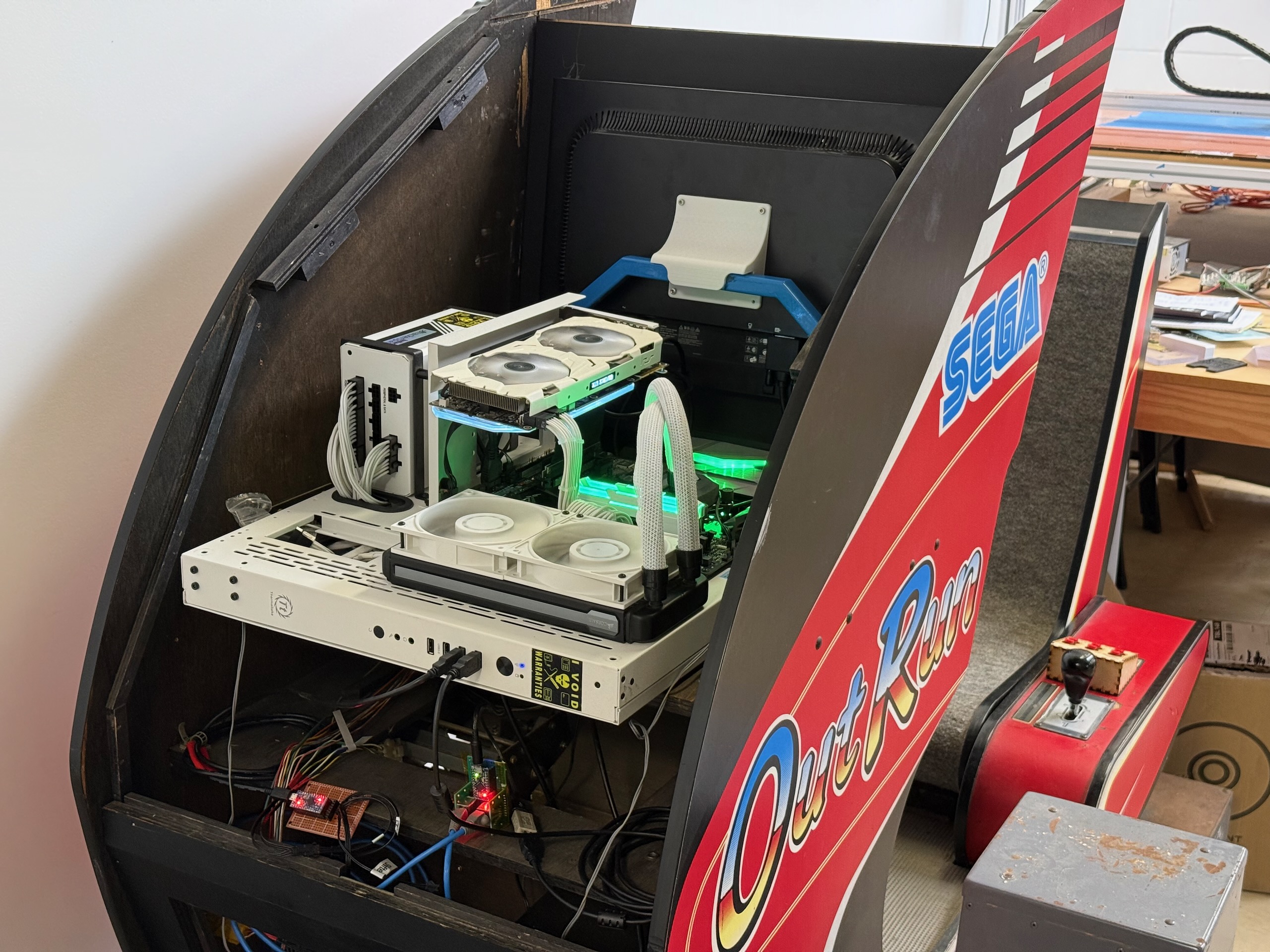
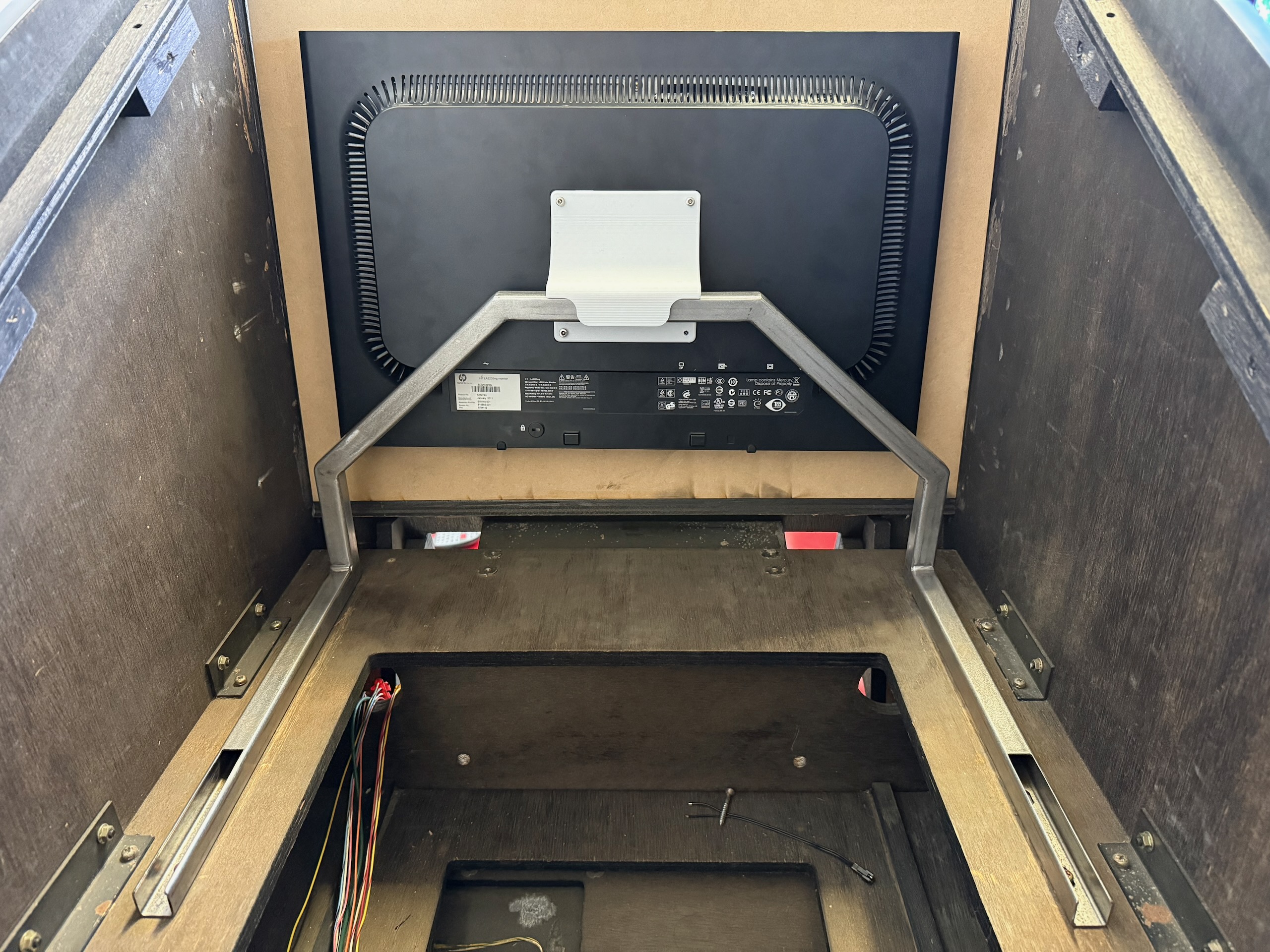
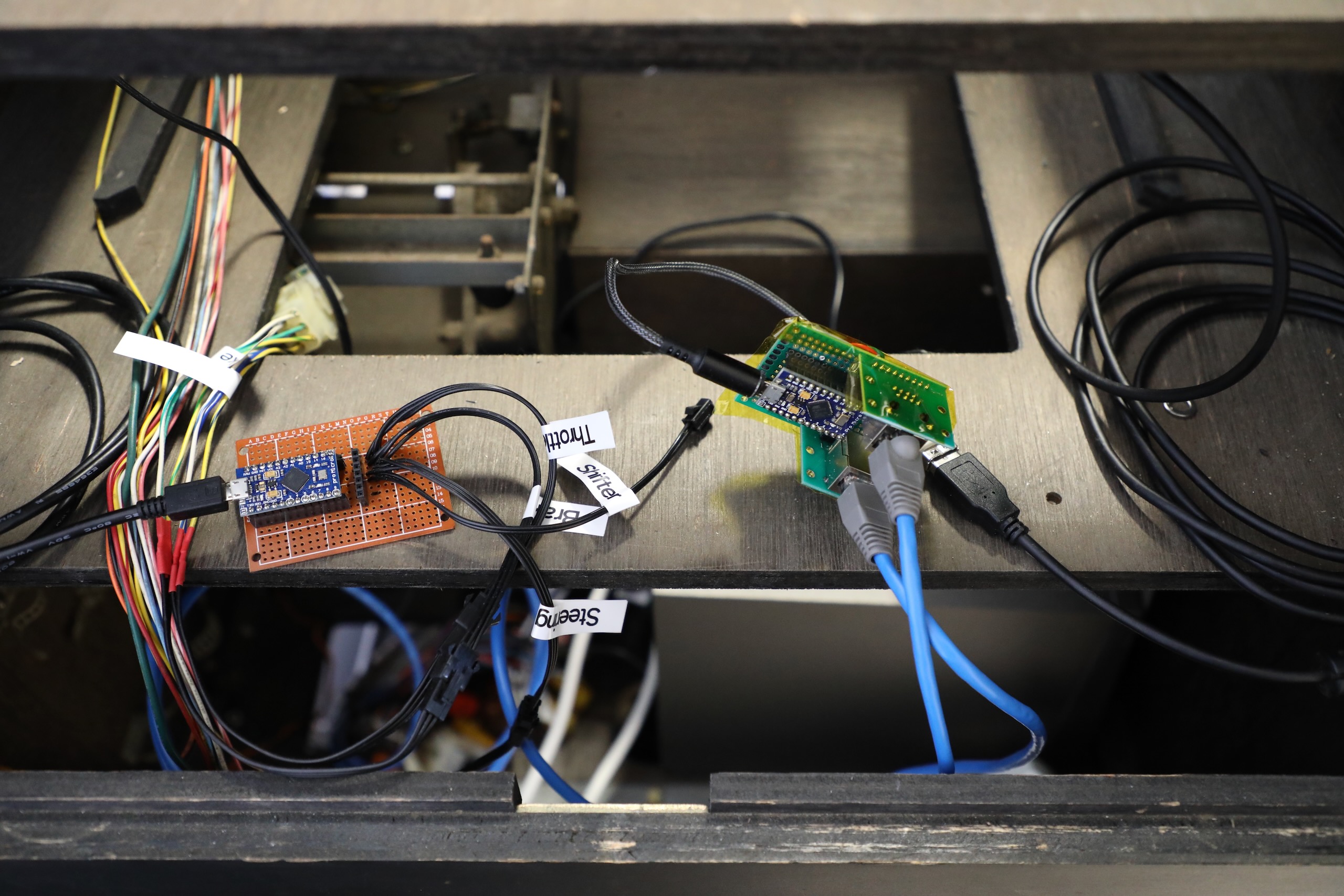
A member got their hands on an original 1980s Sega Outrun arcade cabinet that was electrically non-functional but mechanically complete. He put the call out to turn it into something cool, so it became a group project to retromod the original controls to work with a modern gaming PC and allow players to use it as a modern racing sim. The original pedals, shifter, and steering wheel were spliced with modern electronics which is all fed into some Arduino Pro Micros to convert the analog inputs into digital USB signals, which then go into a gaming PC embedded in the cabinet. A new fascia was designed and laser-cut out of wood and combined with a welded steel frame it allowed a new LCD monitor to fit where the CRT was. A custom button-box was fabricated to fill in the missing buttons required for modern racing games, and at this point it's now fully functional and just needs some tidying up.